Winter Wilderness First Responder Certification

Winter Wilderness First Responder Certification
7-Day (72-Hour) In-Person WFR Course
Essential training for remote emergencies
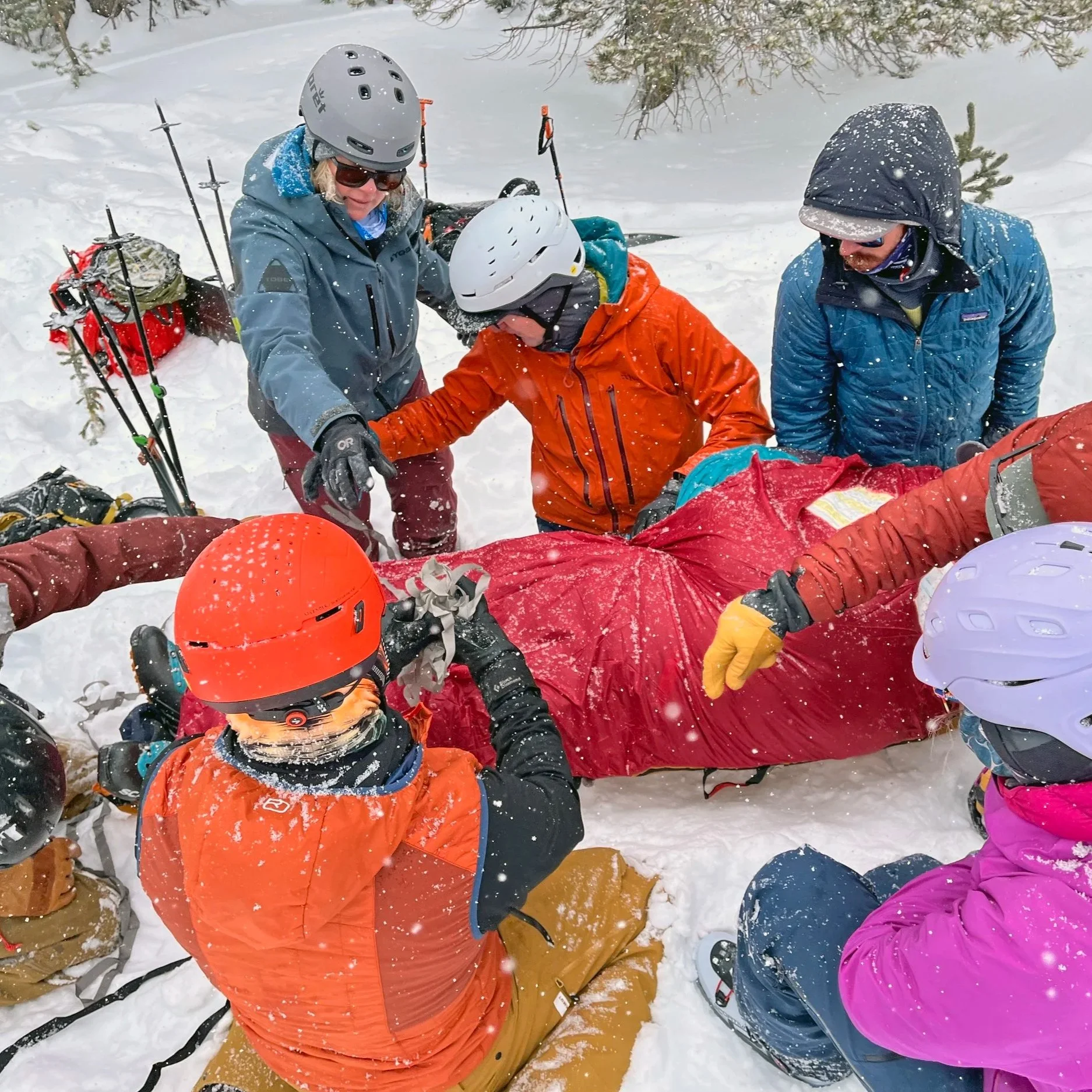
The BVMA SOLO Winter Wilderness First Responder (WFR) course teaches winter backcountry users wilderness medicine, leadership, and critical thinking for backcountry, low-resource, and remote environments where weather can be challenging, equipment is limited, communication is unreliable, and outside assistance may be delayed or unavailable. Students learn to manage emergency response and patient assessment, musculoskeletal and soft tissue injuries, environmental and medical emergencies, survival skills, and prolonged patient care and evacuation. This Winter WFR training includes significant hands-on practice and increasingly complex scenarios, along with American Heart Association-approved BLS for Healthcare Providers, CPR, and AED certification. A WFR is the industry standard for outdoor professionals and serious backcountry travelers, and this course is focused on winter backcountry users. This WFR comes with a 3-year certification and meets all Wilderness Medicine Education Collaborative (WMEC) standards.
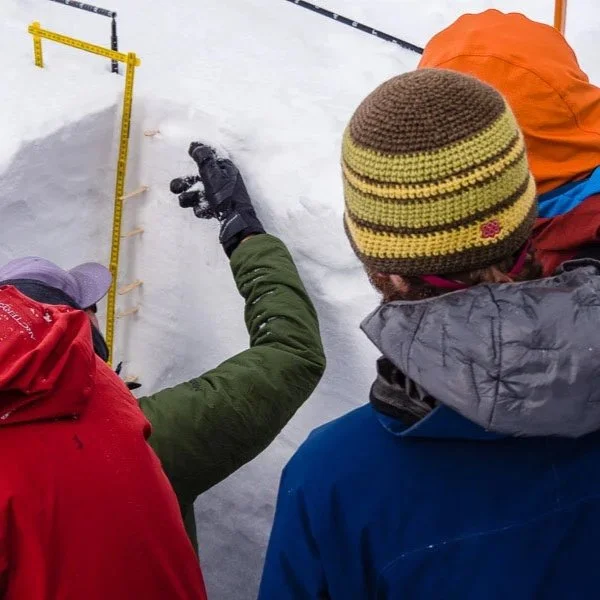
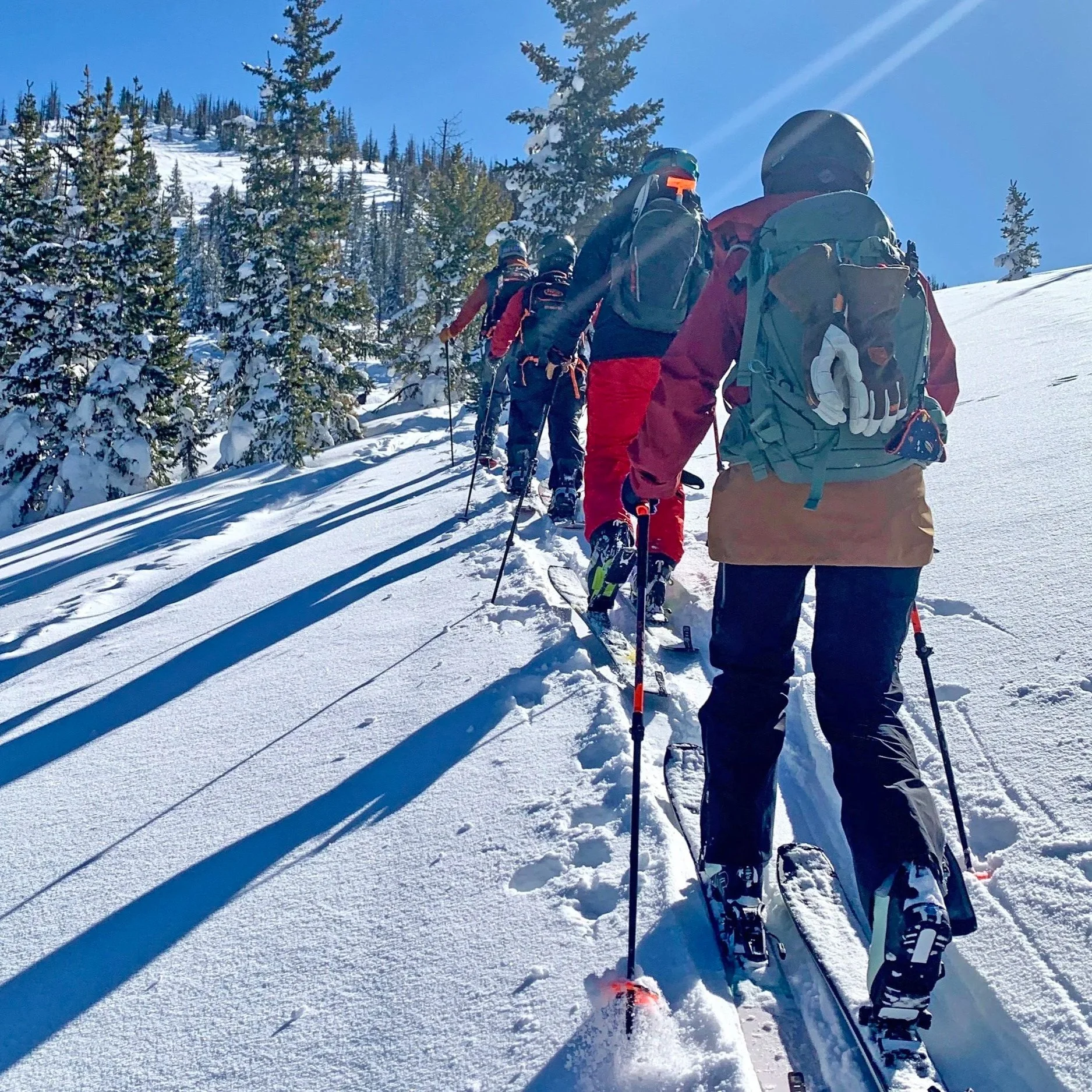
This training takes place in winter conditions and snowy terrain. Participants will need to travel on AT skis, a splitboard, or snowshoes. This course is ideal for backcountry skiers, splitboarders, snowmobilers, cross country skiers, and snowshoers. The course covers the full WFR curriculum, with additional emphasis on winter mountain travel and cold-weather field care. Core skills and protocols apply year-round.
If your preferred course date is sold out, please Contact Us to join the waitlist.
Wilderness First Responder Recertification Courses Here
Course Details
LEARNING OUTCOMES . . .
General principles of wilderness and rescue medicine with an emphasis on identifying emergencies, critical thinking, and risk management
Patient assessment and emergency care, including CPR and AED use, basic life support skills, the patient assessment system, patient reporting, and calling for help
Practical skills including, bleeding control, wound management, bandaging, splinting, patient packaging, and medical kit preparation
Treatment of musculoskeletal injuries from traumatic mechanisms and overuse, such as fractures, sprains, strains, and dislocations
Environmental medicine, including illness and injuries related to altitude, hyperthermia, hypothermia, lightning, submersion, and environmental toxins
Management of medical problems, including the assessment and treatment of common issues such as heart attack, stroke, asthma, anaphylaxis, seizures, and acute abdominal illness
Non-technical lifting, moving, and extrication of patients with an emphasis on spinal motion restriction when applicable
Extended care protocols, including treatment of traumatic, environmental, and medical emergencies in a remote setting
Seasonal Course Differences . . .
Spring, Summer Fall WFR Courses run April through November. These programs take place on dry trails, alpine terrain, rivers, lakes, and accessible backcountry environments. Hiking, mountain biking, bikepacking, kayaking, packrafting, river rafting, climbing, hunting, and other warm-season activities will be integrated into scenarios based on the student group and regional conditions. Skills and protocols apply to all seasons.
Winter WFR Courses run December through March. This training takes place in winter conditions and snowy terrain. Participants will need to travel on AT skis, a splitboard, or snowshoes. This course is ideal for backcountry skiers, splitboarders, snowmobilers, cross country skiers, and snowshoers. The course covers the full WFR curriculum, with additional emphasis on winter mountain travel and cold-weather field care. Core skills and protocols apply year-round.
Private Courses . . .
We also offer private Wilderness First Responder (WFR) courses for organizations, companies, groups, and high schools with the option to host at our location or bring the training to you, Contact Us for more information
Prerequisites . . .
No prior medical training required
18 years of age or 16 accompanied by a parent in the course
Equipment . . .
A detailed gear list will be sent in your welcome email about two weeks before the course begins
What to Expect . . .
Be prepared for seven full days of learning
You’ll be in both indoor and outdoor classroom settings, with time spent sitting, standing, and moving in variable conditions
This course is pass/fail
100% attendance is mandatory
Evaluation is based on practical patient simulations, hands-on activities, and a written test
Upon successful completion, students earn a Wilderness First Responder (WFR) Certificate valid for three years
Upon successful completion, students earn a BLS for Healthcare Providers CPR and AED Certificate, valid for two years
Graduates of this course may recertify by taking a Wilderness First Responder Recertification course
Students are advised to re-take a full WFR Certification course after three recertifications
Buena Vista, Colorado Logistics . . .
Need a place to stay? Check out our Local Lodging Partners, your confirmation email will include discount codes for participating locations
Here are our favorite local places to eat and drink in Buena Vista, CO
Embudo, New Mexico Logistics . . .
Hosted by New Mexico River Adventures (NMRA)
Directions to the NMRA Classroom Location in Embudo, NM
Orilla Verde Recreation Area provides both primitive and more developed camping nearby
Max Client to Guide Ratio . . .
15 Clients : 1 Instructor
BVMA teaches the SOLO (Stonehearth Open Learning) curriculum. SOLO is the oldest, most innovative, and one of the most respected wilderness medicine schools in the United States, and its curriculum follows the international education standards established by the Wilderness Medicine Education Collaborative (WMEC).